
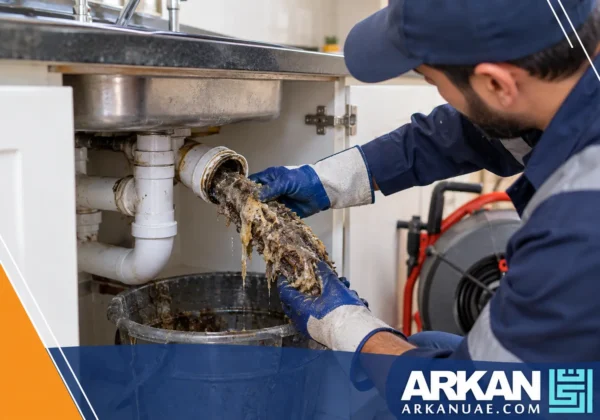
Causes of Blocked Drains can range from simple household waste buildup to serious problems deep inside sewage pipes. In homes, villas, apartments, restaurants, and commercial properties across the UAE, drainage systems can become restricted by grease, food waste, hair, soap residue, wipes, sand, foreign objects, mineral deposits, and accumulated sewage waste.
Understanding Drain Blockage Causes early can help prevent slow drainage from developing into overflowing wastewater, repeated clogs, unpleasant sewage odors, or a complete Sewage Pipe Blockage.
This guide explains the most common Clogged Drain Causes, the warning signs property owners should watch for, and practical ways to reduce the risk of Blocked Drains UAE homes and businesses commonly experience.
Common Causes of Blocked Drains in UAE Homes
The causes of blocked drains vary depending on where the blockage develops. Kitchen pipes frequently suffer from grease and food waste, bathroom drains collect hair and soap residue, while toilets and main sewage lines can become blocked by wipes, foreign objects, sediment, or deeper structural problems.
A blockage does not always happen suddenly. In many cases, material gradually accumulates on the internal surface of the pipe until wastewater can no longer flow freely.
| Cause of blockage | Common location | Possible result |
|---|---|---|
| Grease and cooking oil | Kitchen drains | Sticky buildup and restricted water flow |
| Food waste | Kitchen sinks | Partial or complete blockage |
| Hair | Showers and bathroom drains | Dense internal obstruction |
| Soap residue | Bathrooms and washbasins | Gradual pipe narrowing |
| Wipes and unsuitable materials | Toilets and sewage pipes | Serious sewage pipe blockage |
| Sand and debris | Outdoor drains | Restricted drainage flow |
| Mineral deposits | Drainage pipes | Reduced internal pipe diameter |
| Damaged pipes | Main sewage lines | Recurring blockages and backups |
Drain Blockage Causes in Kitchens
Kitchen drains are particularly vulnerable because fats, oils, food particles, detergent residue, and other materials regularly enter the drainage system.
Grease and cooking oil buildup
Cooking grease is one of the most common drain blockage causes in kitchens. Warm grease may enter the sink as a liquid, but as it cools inside the drainage pipe, it can stick to the internal surface.
Over time, additional oil, food particles, and detergent residue attach to this layer. The opening inside the pipe becomes progressively smaller until water begins draining slowly or stops completely.
This problem can be more severe in restaurants, cafés, commercial kitchens, and busy households where larger quantities of cooking oil and food waste are handled every day.
Food particles inside kitchen drains
Food residue can also contribute to kitchen drain blockages. Rice, coffee grounds, flour, vegetable pieces, sauces, starch-rich foods, and other waste can remain inside the drainage line.
Food particles become particularly problematic when they mix with grease because the greasy layer gives the waste something to adhere to.
How to reduce kitchen drain blockages
- Do not pour cooking oil directly into the sink.
- Allow grease to cool and dispose of it separately.
- Use a sink strainer to capture food particles.
- Remove leftover food from plates before washing them.
- Do not dispose of coffee grounds through the kitchen drain.
- Address slow drainage before the pipe becomes completely blocked.
Clogged Drain Causes in Bathrooms and Showers
Some of the most common clogged drain causes in bathrooms include hair, soap residue, personal care products, dirt, and mineral deposits.
Hair buildup
Hair can easily enter shower, bath, and washbasin drains. Individual strands may become caught around internal pipe surfaces or drainage components.
As additional hair enters the system, it combines with soap residue and dirt to form a dense obstruction.
Typical signs include:
- Water collecting around your feet during a shower.
- Slow water movement through the shower drain.
- Gurgling noises.
- Bad smells coming from the drainage opening.
- A blockage that repeatedly returns after basic cleaning.
Soap residue and personal care products
Soap, shampoo, conditioner, shaving products, and other materials may leave residue inside drainage pipes.
This residue can combine with hair and dirt, creating a sticky mass that gradually restricts wastewater flow.
Using a drain strainer and removing visible hair regularly can significantly reduce bathroom drainage problems.
Blocked Drains UAE: Why Toilet Blockages Happen
For Blocked Drains UAE households experience, toilets are another common source of drainage problems. Toilets are designed primarily for human waste and suitable toilet paper. Other materials may remain intact long enough to become trapped inside the drainage system.
Items commonly associated with toilet blockages include:
- Wet wipes.
- Paper towels.
- Sanitary products.
- Cotton products.
- Plastic materials.
- Excessive toilet paper.
- Children’s toys or other small foreign objects.
Some items may travel beyond the toilet before becoming lodged deeper inside the pipe, making the obstruction harder to locate and remove.
Sewage Pipe Blockage: Causes and Warning Signs
A Sewage Pipe Blockage can be more serious than a single clogged sink or shower because the affected pipe may serve several drainage points within the property.
Main sewage lines carry wastewater away from kitchens, bathrooms, toilets, floor drains, and other fixtures. When the main line becomes restricted, several parts of the property may be affected at the same time.
Common causes of sewage pipe blockage
- Accumulated grease and organic waste.
- Wipes and unsuitable materials.
- Heavy sediment buildup.
- Sand or debris entering the drainage system.
- Foreign objects.
- Damaged or collapsed pipe sections.
- Pipe misalignment.
- Long-term internal deposits.
Signs of a sewage pipe blockage
- Several drains becoming slow at the same time.
- Water returning through floor drains.
- Gurgling noises coming from toilets or multiple drains.
- Repeated toilet blockages.
- Strong sewage odors.
- Wastewater appearing around inspection chambers or manholes.
- Drainage problems affecting different rooms simultaneously.
If several drainage points are affected together, repeatedly treating one sink or toilet may not solve the underlying problem.
Property owners in Dubai can learn more about professional Drain Cleaning Dubai services for blocked drains, sewage pipes, and main sewer line problems.
Sand and Outdoor Debris Can Block Drainage Pipes
Sand, dust, leaves, soil, and other outdoor debris can enter drainage openings around villas, courtyards, parking areas, gardens, and building entrances.
When these materials repeatedly enter the system, heavier particles may settle in lower sections of the drainage pipe.
Gradual sediment accumulation can restrict water flow and eventually contribute to a complete blockage.
Keeping outdoor drainage openings clear and removing visible sand or debris regularly can help reduce this problem.
Foreign Objects Inside Drainage Pipes
Foreign objects can accidentally enter sinks, toilets, floor drains, and other drainage points.
An object may become trapped around a bend, joint, or narrow section of pipe. Waste then begins collecting around the trapped object, causing the obstruction to grow.
Repeatedly adding water to the system may move the object deeper rather than removing it.
If an item has entered a drainage pipe and normal flow does not return, professional inspection may be required.
Mineral Deposits and Internal Pipe Buildup
Mineral deposits can gradually form on internal pipe surfaces. Over time, these deposits reduce the usable diameter of the drainage line.
Rough internal surfaces can also trap grease, hair, dirt, and other waste more easily.
Mineral buildup may not always cause a sudden blockage, but it can make other causes of blocked drains more likely to create recurring problems.
Damaged Sewage Pipes Can Cause Repeated Blockages
Not every blockage is caused by waste. Structural problems inside drainage pipes can interrupt normal wastewater flow and repeatedly trap debris.
Possible pipe problems include:
- Cracked sewage pipes.
- Collapsed pipe sections.
- Displaced pipe joints.
- Internal deterioration.
- Pipe deformation.
- Poor connections between drainage sections.
If the same drain continues to become blocked after professional cleaning, the condition of the drainage pipe itself may need to be investigated.
Poor Drainage Installation and Incorrect Pipe Slope
Drainage systems depend on appropriate pipe diameter, gradient, connections, and installation.
If a pipe has an insufficient slope, wastewater may move too slowly. Solids and waste can then settle inside the line instead of being carried away.
Over time, this can create recurring drainage problems even when property occupants are careful about what enters the system.
Lack of Drain and Sewage Maintenance
Drainage systems can continue working while grease, sludge, sediment, and other deposits gradually accumulate inside pipes.
Properties with high drainage usage may be more vulnerable to this type of buildup.
Examples include:
- Restaurants.
- Cafés.
- Commercial kitchens.
- Apartment buildings.
- Large villas.
- Commercial facilities.
- Staff accommodation.
Periodic drainage inspection and cleaning can help remove developing buildup before it turns into a serious blockage.
Early Warning Signs of Drain Blockages
Many drainage systems show warning signs before complete blockage occurs.
| Warning sign | What it may indicate |
|---|---|
| Slow drainage | Partial blockage or buildup inside the pipe |
| Gurgling noises | Restricted wastewater and air movement |
| Bad sewage odor | Waste buildup or drainage problem |
| Water returning through drains | Possible deeper sewage line blockage |
| Repeated clogs | Incomplete clearing or an underlying pipe problem |
| Several drains affected | Possible main sewage pipe blockage |
Bad smells can also develop when waste, grease, and bacteria remain inside drains. You can read our guide about removing unpleasant drain and sewage odors in the UAE for more information.
Clogged Drain Causes: Why Does My Drain Keep Blocking?
When a drain keeps becoming blocked, the visible obstruction may only be part of the problem.
Recurring clogged drain causes may include:
- Grease remaining on internal pipe surfaces.
- A partial blockage deeper in the drainage line.
- Foreign material trapped inside the pipe.
- Heavy mineral or sediment accumulation.
- A damaged sewage pipe.
- An incorrect drainage slope.
- Continued disposal of unsuitable materials.
Temporary drain-opening methods may restore some water flow while significant buildup remains inside the pipe.
When blockages repeatedly return, identifying the underlying cause is generally more effective than treating the same symptom over and over again.
Can a Blocked Drain Cause a Sewage Backup?
Yes. When wastewater cannot move through a drainage or sewage pipe, water can accumulate behind the obstruction.
Depending on where the blockage is located, wastewater may return through toilets, showers, floor drains, sinks, or other low drainage points.
A sewage backup should be addressed quickly because contaminated wastewater can affect hygiene, flooring, walls, furniture, and surrounding areas.
Drain Blockage Causes by Property Type
The most common drain blockage causes can differ according to how a property is used.
| Property type | Common drainage problems |
|---|---|
| Villas | Kitchen grease, bathroom drains, outdoor debris and main sewage lines |
| Apartments | Kitchen sinks, showers, toilets and shared drainage lines |
| Restaurants | Heavy grease, food waste and frequent kitchen drain use |
| Cafés | Food residue, oils and kitchen drainage buildup |
| Offices | Toilet, washbasin and shared drainage problems |
| Commercial buildings | Heavy drainage use and larger sewage systems |
How to Prevent Blocked Drains in UAE Properties
Preventing Blocked Drains UAE homes and businesses frequently experience starts with controlling what enters kitchen sinks, toilets, bathroom drains, and external drainage points.
Kitchen prevention
- Do not pour grease or cooking oil into the sink.
- Use a sink strainer.
- Dispose of food residue separately.
- Avoid washing coffee grounds down the drain.
- Address slow drainage early.
Bathroom prevention
- Use strainers to catch hair.
- Remove visible hair regularly.
- Avoid allowing unsuitable materials into the drain.
- Watch for early signs of slow drainage.
Toilet prevention
- Flush only human waste and suitable toilet paper.
- Do not flush wipes.
- Do not flush sanitary products.
- Keep small objects away from toilets.
Outdoor drainage prevention
- Remove accumulated sand around drainage openings.
- Clear leaves and debris regularly.
- Keep drainage channels unobstructed.
- Check outdoor drains after heavy debris accumulation.
Should You Use Chemical Drain Cleaners?
Chemical drain cleaners may provide temporary results in some situations, but they are not appropriate for every drainage system or type of blockage.
Strong substances may:
- Produce hazardous fumes.
- Cause skin or eye injuries.
- Damage some pipe materials.
- Fail to remove solid objects.
- Fail to correct structural pipe damage.
- Create additional risks when different chemicals are mixed.
Repeated use of aggressive products without understanding the blockage can be less effective than identifying its actual cause.
When Is Professional Drain Cleaning Needed?
Basic maintenance may resolve some minor drainage problems. However, professional inspection and cleaning should be considered when:
- The same blockage keeps returning.
- Several drains are slow at the same time.
- Wastewater backs up into the property.
- A toilet repeatedly overflows.
- Strong sewage odors persist.
- Water returns through floor drains.
- The main sewage line appears blocked.
- The cause of the blockage cannot be identified.
Professional drain cleaning allows technicians to assess the problem before choosing an appropriate cleaning method.
Property owners in Sharjah can learn more about professional drainage cleaning services in Sharjah.
For properties in Abu Dhabi, visit our page for sewer and drain cleaning in Abu Dhabi.
Drain Cleaning vs Temporary Drain Unblocking
Opening a narrow path through an obstruction is not necessarily the same as thoroughly cleaning the affected drainage line.
A temporary drain unblocker may allow water to flow while grease, sludge, sediment, or other material remains attached to the internal pipe surface.
Professional drain cleaning can target a larger section of the affected pipe where appropriate, depending on the obstruction and condition of the drainage system.
How Professionals Identify Causes of Blocked Drains
Finding the exact causes of blocked drains can require more than looking at the affected sink or toilet.
A professional assessment may consider:
- Which drains are affected.
- Whether the blockage is local or affects several fixtures.
- How frequently the problem occurs.
- The type of property.
- The likely material causing the obstruction.
- The condition and location of sewage pipes.
- Whether CCTV inspection is required.
After identifying the likely source, the appropriate cleaning method can be selected.
Blocked Drain Cleaning in Dubai
Drainage problems in Dubai can affect villas, apartments, restaurants, offices, commercial kitchens, towers, and other properties.
Arkan provides professional drain cleaning services in Dubai for blocked kitchen drains, bathroom drains, sewage pipes, main sewer lines, and emergency drainage problems.
The service page also provides information about professional sewer cleaning, drainage cleaning methods, emergency response, sewage pipe cleaning, and areas served across Dubai.
Blocked Drains UAE – Get Professional Help Now
Professional solutions for clogged drains, sewage pipe blockages and recurring drainage problems across the UAE.
Frequently Asked Questions About Blocked Drains
What are the most common causes of blocked drains?
The most common causes of blocked drains include grease, food waste, hair, soap residue, wipes, foreign objects, sand, sediment, mineral deposits, and damage inside sewage pipes.
What are the most common clogged drain causes?
Common clogged drain causes depend on the location of the drain. Kitchens commonly suffer from grease and food residue, bathrooms from hair and soap, while toilets and sewage pipes can become blocked by wipes, foreign objects, sediment, and accumulated waste.
Why does my kitchen drain keep getting blocked?
Recurring kitchen blockages are often caused by grease, cooking oil, food particles, and other residue accumulating inside the pipe. If the problem keeps returning, buildup may exist deeper inside the drainage system.
Can hair completely block a shower drain?
Yes. Hair can combine with soap residue and dirt to create a dense obstruction that significantly restricts water flow through bathroom and shower drains.
Can wipes cause a sewage pipe blockage?
Yes. Many wipes do not break down as quickly as suitable toilet paper. They can become trapped inside drainage lines and contribute to a serious sewage pipe blockage, particularly when combined with other waste.
What are the warning signs of a blocked main sewage line?
Several slow drains, gurgling toilets, wastewater returning through floor drains, repeated blockages, strong sewage odors, and problems affecting several plumbing fixtures can indicate a deeper main sewage line blockage.
Why does my drain smell even when water still flows?
A partial blockage, grease, organic waste, bacteria, stagnant water, or a drain trap problem can produce unpleasant smells even when the pipe is not completely blocked.
Are chemical drain cleaners safe?
Strong chemical cleaners are not suitable for every drainage system. Incorrect use can create hazardous fumes, damage some pipe materials, or cause injuries. Serious or recurring blockages should be assessed professionally.
When should I call a professional drain cleaning company?
Professional help is recommended when a blockage keeps returning, several drains are affected, wastewater backs up, water returns through floor drains, strong odors persist, or the cause of the obstruction cannot be identified.
Can damaged pipes cause repeated drain blockages?
Yes. Cracks, collapsed sections, displaced joints, poor pipe alignment, and other structural problems can interfere with wastewater flow and repeatedly trap debris inside the drainage system.
Need Help With a Blocked Drain?
Understanding the causes of blocked drains is the first step toward choosing the right solution. A simple local blockage may result from hair or food waste, while repeated drainage problems may indicate accumulated sewage deposits, pipe damage, or a deeper main-line obstruction.
Arkan provides professional drainage and sewage cleaning services for residential and commercial properties across the UAE.
For drainage problems in Dubai, visit our Drain Cleaning Dubai service page.
You can also contact Arkan on 0527514348 for information about blocked drains, sewage pipe cleaning, main sewer line problems, and professional drainage services.